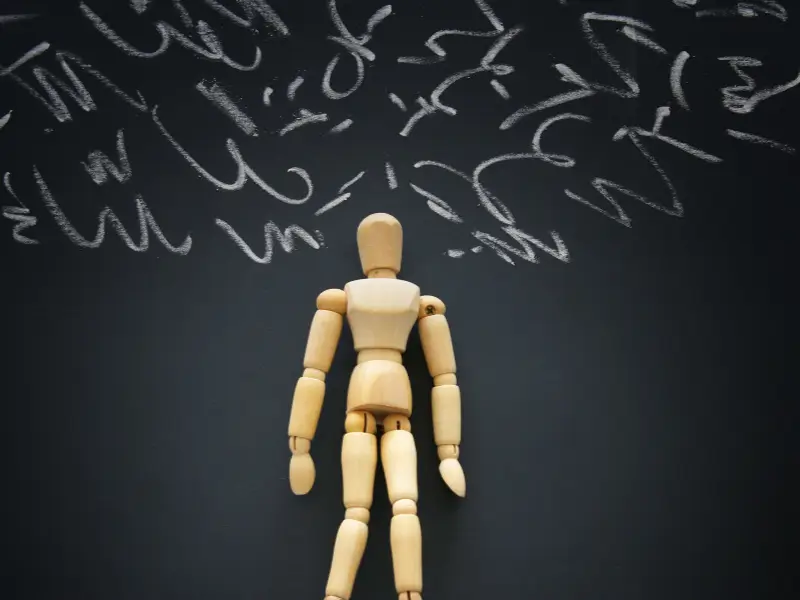

Every week, there is a new AI tool that promises to save time, write faster, plan better, organize your life, answer your emails, summarize your meetings, and maybe, one day, explain why you still have not started the task you put off three weeks ago.
It is tempting to make everything AI first.
Need an idea? Ask AI.
Need a plan? Ask AI.
Need motivation? Ask AI.
Need someone to tell you that you are avoiding an important decision? Ask AI.
The answers arrive instantly. They are polite, structured, tireless, and often genuinely useful.
But there is a question hiding beneath all the excitement:
Should our lives be AI first, or human first?
This is not a question about rejecting technology. AI is already an extraordinary assistant for research, writing, learning, planning, translation, and repetitive work. The real question is where we draw the line between helpful automation and the slow replacement of human attention.
Because efficiency is not the same thing as connection.
AI Is Becoming the Default
AI has moved from novelty to habit at remarkable speed.
People use it to brainstorm business ideas, prepare for interviews, draft social posts, plan workouts, learn languages, write code, choose recipes, and structure goals. It can turn a vague thought into a neat checklist in seconds.
That is useful. Sometimes it is exactly what we need.
A blank page can be intimidating. A large task can feel impossible. A complicated idea can become manageable once someone, or something, helps us see the next step.
AI is very good at this kind of support.
It does not get tired. It does not judge your messy first draft. It does not sigh when you ask the same question five different ways. It does not disappear because it is having a bad day.
But that also reveals its limitation.
AI can help you make a plan. It cannot truly care whether you follow it.
The Difference Between a Plan and a Promise
Most people do not struggle because they lack information.
We know that sleep matters. We know that exercise helps. We know that finishing an important project usually requires starting before we feel ready. We know that replying “I’ll do it tomorrow” can become a long-term lifestyle.
What we often lack is not a better system. It is a meaningful reason to show up.
A checklist can tell you what to do.
A calendar can remind you when to do it.
An AI assistant can break it into smaller steps.
But another human can ask: “How did it go?”
That small question changes the emotional weight of a goal.
When someone knows that you planned to attend the class, send the proposal, finish the chapter, go for the run, or make the difficult call, the task becomes more than an item on a list. It becomes a promise.
And humans are surprisingly good at keeping promises when another human is involved.
AI Is Excellent at Assistance
There is no need to create a false choice.
AI can be brilliant at the things machines do well:
- Breaking large tasks into smaller steps
- Generating options when you are stuck
- Summarizing information
- Creating a first draft
- Helping you learn a new skill
- Turning a messy idea into an outline
- Reducing the friction of getting started
For someone with a busy job, ADHD, creative block, or a long list of competing responsibilities, this can be transformative.
The key is to treat AI as a tool that supports agency, not a substitute for agency.
Let it help you prepare the workout plan. Then go for the workout.
Let it help you outline the presentation. Then deliver it to real people.
Let it help you identify the next step. Then tell someone you are going to take it.
AI can reduce friction. Human connection can create commitment.
Human First Does Not Mean Anti-AI
“Human first” is not a nostalgic call to return to paper maps, handwritten invoices, and waiting three days for a reply.
It simply means that people should remain at the center of decisions that involve trust, identity, responsibility, care, and motivation.
We should be careful when we hand over the parts of life that make us human:
- Our relationships
- Our values
- Our accountability
- Our judgments
- Our grief
- Our celebrations
- Our ability to notice when someone is struggling
- Our responsibility to show up for one another
An AI can generate the perfect motivational message. It can use the right tone, add an encouraging quote, and remind you that “progress is progress.”
But a real person can remember that your interview was important. They can ask how it went. They can understand why your silence means something is wrong. They can celebrate your progress in a way that does not feel like a feature.
That is not a bug in AI.
It is simply the difference between simulation and relationship.
The Productivity Trap
There is a strange risk in AI-powered productivity.
We can spend so much time optimizing our work that we stop doing the work.
We ask for a perfect plan, then a revised plan, then a more realistic plan, then a version for low-energy days, then a color-coded dashboard to track the plan.
It feels productive because it looks organized.
But the hard part is still there: opening the document, making the call, leaving the house, practicing the skill, or beginning before confidence arrives.
AI can make procrastination more sophisticated.
Instead of scrolling social media, we can now “research productivity systems” with an assistant for an hour. It feels smarter. It may even produce a beautiful table. Yet the original task remains untouched.
Sometimes the best productivity method is painfully simple:
- Choose one task.
- Decide when you will do it.
- Tell another person.
- Show up.
- Report back honestly.
No complicated dashboard required.
Why Real Accountability Still Matters
Accountability is not about pressure, shame, or someone policing your life.
Healthy accountability means that another person knows what matters to you and helps you stay connected to it.
It can be gentle:
- “Did you get a chance to work on that?”
- “Want to take a walk after work?”
- “You said you wanted to try that class. Shall we go?”
- “You do not have to finish everything today. What is one next step?”
- “You did it. I knew you could.”
This type of support works because it is personal. It has context. It has memory. It has emotional weight.
A notification can be dismissed.
A person who believes you can do something is harder to ignore, in the best possible way.
That is why goal-setting can feel different when it is connected to another person. You may choose to keep a goal private, share it selectively, or ask someone to support you. The point is not exposure. The point is choosing the level of connection that helps you move.
Use AI for the Map, Humans for the Journey
Here is one practical way to think about it:
| Use AI when you need… | Choose people when you need… |
|---|---|
| A first draft | Encouragement |
| A checklist | Accountability |
| Ideas and options | Honest feedback |
| Research summaries | Trust |
| A schedule proposal | Shared experience |
| A reminder | A meaningful conversation |
| A productivity framework | A reason to keep going |
AI can be the map.
But maps do not walk beside you when the route gets difficult.
People do.
A Better Way to Build With AI
The most thoughtful products of the next decade may not be the ones that automate every human interaction. They may be the ones that use AI to remove friction while protecting room for people.
That could mean:
- AI helps you turn a vague intention into a clear goal.
- You decide whether to keep that goal personal or share it.
- Another person supports you when motivation drops.
- The technology stays in the background.
- The action happens in real life.
This is a healthier model than asking AI to become your coach, therapist, friend, manager, and cheering section all at once.
Useful technology should not make us more isolated. It should make it easier to direct our energy toward the people and actions that matter.
A good tool does not demand your attention forever.
It gives it back to you.
The Question Is Not Who Wins
AI will not disappear. Nor should it.
It will continue to become faster, more capable, and more deeply integrated into everyday work and life. Ignoring that would be unrealistic.
But human connection is not an outdated feature waiting to be automated away.
We do not need less intelligence in our tools. We need more wisdom in how we use them.
Choose AI when it helps you think, prepare, learn, and begin.
Choose people when you need care, courage, commitment, perspective, and the reminder that your goals matter beyond a task list.
The future should not be AI first or human first in every situation.
But when it comes to motivation, accountability, and becoming the person you said you wanted to be, human first is usually the better default.
So use AI to make the plan. Then bring that plan to real people.
And if you are looking for a place where goals can become conversations, encouragement, and follow-through, it is better to meet people inside Focido. Not to spend more time in another app, but to find the human support that helps you leave the screen and actually do what matters.